What to Expect When You Replace Your Roof in Colorado Springs
A roof replacement is one of the bigger home improvement decisions most Colorado Springs homeowners make, and it’s also one of the least familiar. Most people go through it once, maybe twice, and the process moves quickly once it starts. Knowing what to expect before the crew shows up makes the whole thing less stressful and helps you catch problems before they become expensive.
Here’s how a residential roof replacement works in Colorado Springs, from the estimate to the final inspection, and what to watch for along the way.
How Long Does a Roof Replacement Take in Colorado Springs?
Most standard residential roofs in Colorado Springs take one day to complete. A crew arrives early, strips the old material down to the deck, makes any necessary repairs to damaged sheathing, installs new underlayment, and lays the new shingles before the end of the day. Larger homes, complex rooflines with multiple valleys and penetrations, or roofs with significant decking damage can push the job into a second day, but that’s the exception rather than the rule.
What can extend the timeline is everything around the installation: permit approval through the Pikes Peak Regional Building Department, material availability during busy hail season, and scheduling during the stretch from August through October when every contractor in the city is booked. If you’re planning a replacement before winter, August and September are the right months to get on the calendar before the fall rush locks up contractor schedules.
Do You Need a Permit to Replace Your Roof in Colorado Springs?
Yes. El Paso County and the City of Colorado Springs require a permit for a full roof replacement. The permit is pulled through the Pikes Peak Regional Building Department, and the job requires a final inspection once the work is complete. RIZE pulls permits on every residential replacement we do — it’s part of our standard process and not something we pass on to the homeowner to figure out.
Working with a contractor who skips the permit process creates real problems. An unpermitted roof replacement can complicate a home sale, void manufacturer warranties, and leave the homeowner liable if something goes wrong. If a contractor tells you permits aren’t necessary for a roof replacement in Colorado Springs, that’s a reason to walk away.
What Happens the Day of Your Roof Replacement?
The crew typically arrives between 7 and 8 a.m. The first hour is setup: tarps around the perimeter of the house to catch debris, protection over AC units and any landscaping close to the foundation, and staging of materials. Tear-off starts once the site is protected.
Old shingles and underlayment come off in sections, and the crew inspects the decking as they go. If there are areas of soft or damaged sheathing, those get repaired or replaced before anything new goes down. New synthetic underlayment goes on next, followed by drip edge, flashing, and then shingles starting at the eaves and working up.
By mid-afternoon on a standard job the field shingles are down, and the crew finishes the ridgeline, cleans up debris with a magnetic roller pass for nails, and does a final walkthrough before leaving. You’ll get photos and a written completion summary from us before we leave the site.
How Much Does a Roof Replacement Cost in Colorado Springs?
The honest answer is that it depends, and any contractor who quotes you a number without seeing your roof is guessing. That said, a standard asphalt shingle replacement on a single-story home in Colorado Springs in 2026 typically runs between $9,000 and $16,000, depending on square footage, pitch, complexity, and material choice. Steeper roofs cost more because they take longer and require more safety equipment. Homes with multiple chimneys, skylights, or dormers cost more because flashing details add time.
Upgrading from a standard architectural shingle to a Class 4 impact-resistant product adds roughly $500 to $1,500 to the total, and the insurance discount that comes with it usually covers that difference within two to three years. If your replacement is insurance-funded after a hail event, the carrier’s estimate is a starting point, not a ceiling — a supplemental claim can bring it in line with actual replacement costs if the initial offer comes in low. Our Colorado Springs roof insurance claim assistance page covers how that process works.
What Roofing Materials Work Best in Colorado’s Climate?
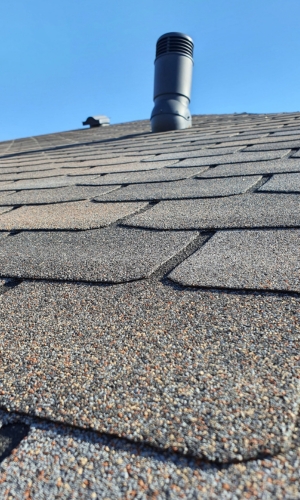
Asphalt shingles are the most common choice in Colorado Springs and for good reason. They’re cost-effective, widely available, and the installer base here is deep, which matters for warranty work and future repairs. Class 4-rated architectural shingles are the standard we recommend for most homes given the hail frequency on the Front Range. IKO Nordic, Malarkey Vista, Owens Corning TruDefinition Duration STORM, and GAF Timberline HDZ AS are the products we install most often, and both carry strong manufacturer warranties with good carrier discount recognition.
Metal roofing is growing in popularity in Colorado Springs, particularly standing seam, and it performs well here. It handles hail, UV, and temperature swings better than asphalt over a long time horizon, and a standing seam system installed correctly can last 40 to 50 years. The upfront cost is roughly two to three times a standard shingle replacement, so the math works best for homeowners planning to stay in the home long-term or for homes with complex rooflines where a premium material makes more sense than a cheaper shingle that’s harder to flash correctly.
Wood shake and tile are less common in Colorado Springs. Wood shake carries higher fire risk and is restricted in some HOAs and jurisdictions. Tile performs well in warm climates but the weight and the freeze-thaw stress on clay tile in Colorado’s winters can cause problems over time. If you’re considering either of those materials, it’s worth a direct conversation before you commit.
Will Your Insurance Cover Your Roof Replacement?
If the replacement is driven by hail or storm damage, it may be partially or fully covered depending on your policy. Whether you have Replacement Cost Value or Actual Cash Value coverage determines how much the carrier pays, and Colorado’s hail frequency means most homeowners in Colorado Springs will file at least one roof claim during the life of their policy. Getting an independent inspection before the adjuster visit is one of the most useful things you can do to protect your payout.
If the replacement is driven by age and normal wear rather than a storm event, insurance typically won’t cover it. Most carriers in Colorado have tightened their stance on aging roofs, and some are non-renewing policies on homes with roofs over 15 to 20 years old. Replacing an aging roof proactively can actually protect your insurability, which is a consideration worth factoring into the timing decision. Our Colorado Springs residential roofing services page has more detail on what the full replacement process looks like from estimate to completion.
Frequently Asked Questions About Roof Replacement in Colorado Springs
Do I need to be home during my roof replacement?
You don’t need to be home, but it helps to be reachable by phone in case the crew finds decking damage that needs a decision before they can proceed. If you won’t be available, let us know ahead of time and we’ll walk through the decision parameters with you so we’re not waiting on a callback mid-job.
What time of year is best for roof replacement in Colorado Springs?
Late spring through early fall is the practical window, with May through September being the most reliable stretch. July and August are the busiest months because of hail season, so if you’re scheduling a proactive replacement rather than an insurance job, April, May, or September tend to offer better availability and faster turnaround.
How do I prepare my home for a roof replacement?
Clear the driveway for material delivery and dumpster placement. Move vehicles away from the house. Take fragile items off walls and shelves inside — the impact of a full tear-off transfers through the structure more than most people expect. Cover anything in the attic that you’d rather not get dusty. That’s most of it.
How long does a new roof last in Colorado Springs?
A standard architectural shingle in Colorado Springs typically lasts 20 to 25 years with good attic ventilation and no major hail events. Class 4 shingles in the same line carry similar warranty terms but hold up better after hail, which reduces the likelihood of a shortened lifespan from storm damage. Metal roofing runs 40 to 50 years. Flat or low-slope systems depend on the membrane type.
Can I stay in my house during a roof replacement?
Yes. The work happens on the exterior, and the interior stays intact throughout a normal replacement. It’s loud, particularly during tear-off, so it’s a good day to work somewhere else if you have that option, but there’s no reason to vacate the home.
A roof replacement in Colorado Springs moves faster than most homeowners expect, and the decisions you make before the job starts, on materials, permits, and whether an insurance claim is in play, matter more than anything that happens on the day itself. If you’re getting close to a replacement decision or want a second opinion on the condition of your current roof, we’re happy to come out and take a look.
Call 719-339-4004 or visit our Colorado Springs residential roofing services page to schedule a free estimate.