Is Metal Roofing Worth It in Colorado Springs? Cost, Durability, and What to Expect
If you’ve priced out a roof replacement in Colorado Springs recently, there’s a good chance metal roofing came up as an option, usually with a much bigger number attached than the asphalt quote next to it. That upfront gap is real, and it’s the main reason most Colorado Springs homeowners still go with asphalt shingles. But metal roofing’s higher cost comes with a different set of trade-offs than asphalt, and depending on how long you plan to stay in your home, the math can work out either way.
Here’s what metal roofing actually costs here, how it holds up against Colorado’s hail and UV exposure, and what to weigh before you decide.
What Is Metal Roofing, and What Are the Main Types?
Metal roofing isn’t one product. The two systems most common on Colorado Springs homes are:
Standing seam metal — Continuous panels with raised, interlocking seams and no exposed fasteners. This is the higher-end option, with a cleaner look and fewer long-term maintenance points since there’s nothing punched through the panel to work loose over time.
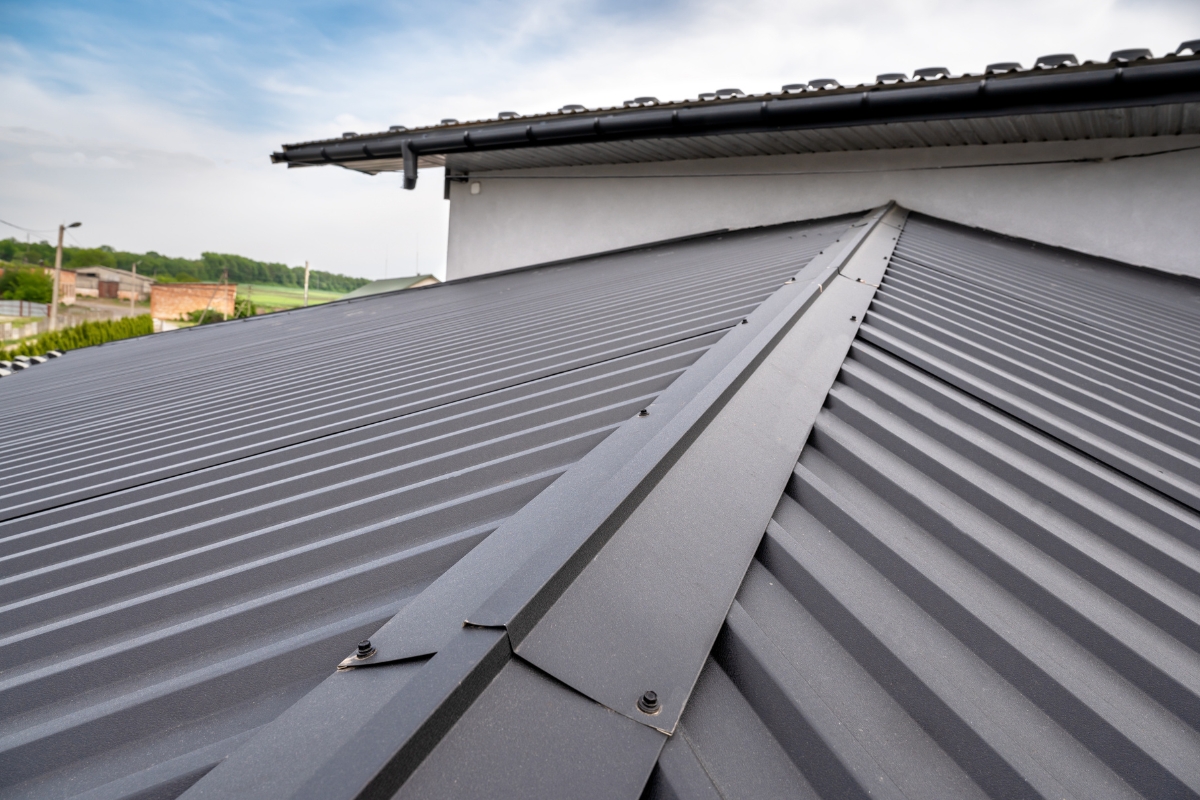
Corrugated or exposed-fastener metal — Wavy or ribbed panels attached with visible screws. It costs less upfront but the fasteners can loosen over years of Colorado’s freeze-thaw cycles, which means periodic maintenance to keep seals tight.
Both come in steel and aluminum, with steel being more common for residential installs in this region due to cost and strength.
How Much Does Metal Roofing Cost in Colorado Springs?
This is where the sticker shock hits. Standing seam metal typically runs $9 to $14 per square foot installed in the Colorado Springs market, compared to roughly $4.25 to $8.50 per square foot for architectural asphalt shingles. For a typical 2,000-square-foot home, that puts a full metal roof replacement in the range of $18,000 to $40,000+, versus $9,000 to $16,000 for a comparable asphalt replacement.
Exposed-fastener corrugated systems cost less than standing seam, but they’re also the ones most likely to need fastener maintenance over time, which narrows the long-term savings gap somewhat.
The honest math: metal roofing rarely pays for itself in the first several years. Where it starts to make sense is over a 20 to 30 year horizon, when you compare it to the cost of replacing an asphalt roof two or three times over the same period.
Is Metal Roofing Worth It in Colorado Springs?
The answer depends less on the roof itself and more on how long you’re planning to own the home.
Metal roofing tends to make sense if:
- You plan to stay in the home long-term (15+ years)
- You’ve replaced hail-damaged asphalt shingles more than once already
- You want to minimize maintenance and don’t mind the higher upfront cost
Standard asphalt (especially Class 4 impact-resistant shingles) tends to make more sense if:
- You’re not planning to stay in the home for decades
- Upfront budget is the primary constraint
- You want the insurance premium discount that Class 4 shingles typically qualify for, without the bigger capital outlay metal requires
There’s also a resale consideration worth naming honestly: metal roofing is a durability upgrade, not always a dollar-for-dollar resale value increase in every neighborhood. It’s a better investment in how the roof performs over decades than in what it adds to a sale price next year.
How Does Metal Roofing Compare to Asphalt in Colorado’s Climate?
Hail resistance: Standing seam metal generally holds up better against hail than standard asphalt shingles, since it’s less prone to the cracking and granule loss that hail causes. That said, metal can still dent under large hail, and cosmetic dents don’t always affect function even though they’re visible. According to the Insurance Institute for Business & Home Safety, impact resistance testing standards apply across both metal and asphalt product categories, and installed product matters as much as material type.
UV exposure at altitude: Colorado Springs sits above 6,000 feet, where UV exposure accelerates the breakdown of asphalt shingles faster than at sea level. Metal doesn’t degrade from UV the way asphalt granules do, which is part of why it holds its 40 to 50 year lifespan more reliably here than in milder climates.
Lifespan: Asphalt shingles run 20 to 25 years in this climate with good ventilation and no major unaddressed hail damage. Metal roofing typically lasts 40 to 50 years, meaning a single metal installation can outlast two full asphalt roof cycles.
Noise: A common concern, but with proper solid decking and underlayment (which is standard on any professional installation), metal roofs perform similarly to asphalt in rain and hail noise from inside the home. The “loud tin roof” reputation mostly comes from older barn-style installations without a solid deck underneath.
What to Expect During a Metal Roof Installation
Installation timelines run longer than asphalt, typically 2 to 4 days for a standard residential home depending on roof complexity, compared to a single day for most asphalt replacements. Permitting requirements are the same as any full roof replacement in El Paso County. According to NRCA guidance, proper installation, including correct fastening methods and underlayment, matters more for long-term metal roof performance than the specific panel product chosen.
Frequently Asked Questions About Metal Roofing
Is metal roofing worth it in Colorado Springs?
It depends on your timeline. Metal costs significantly more upfront but lasts roughly twice as long as asphalt and holds up better against hail and UV exposure at altitude. It tends to make the most financial sense for homeowners planning to stay long-term.
How much does a metal roof cost in Colorado Springs?
Standing seam metal typically runs $9 to $14 per square foot installed, putting a full replacement in the $18,000 to $40,000+ range for an average home. Exposed-fastener corrugated systems cost somewhat less.
How long does a metal roof last?
Metal roofing typically lasts 40 to 50 years, compared to 20 to 25 years for standard asphalt shingles in Colorado’s climate.
Does metal roofing hold up better against hail than asphalt shingles?
Generally yes, standing seam metal is less prone to the cracking and granule loss hail causes on asphalt. Large hail can still dent metal, though the dents are often cosmetic rather than functional.
Is metal roofing noisier in the rain?
Not with a proper solid deck and underlayment, which is standard on professional installations. The “loud metal roof” reputation mostly comes from older barn-style installs without a solid deck.
Can you install metal roofing over an existing asphalt roof?
It’s technically possible in some cases, but a full tear-off is usually recommended so the installer can check the decking underneath and ensure proper attachment. We can evaluate whether your specific roof is a candidate during a free inspection.
Not Sure Which Roofing Material Is Right for Your Home?
Metal roofing is a strong long-term investment, but it isn’t the right call for every homeowner or every budget. Our team can walk you through the real cost and lifespan trade-offs for your specific roof during a free inspection. Call 719-339-4004 or visit our residential roofing services page to see the full range of materials we install.