The Importance of Ice Dam Removal & Prevention for Colorado Homes
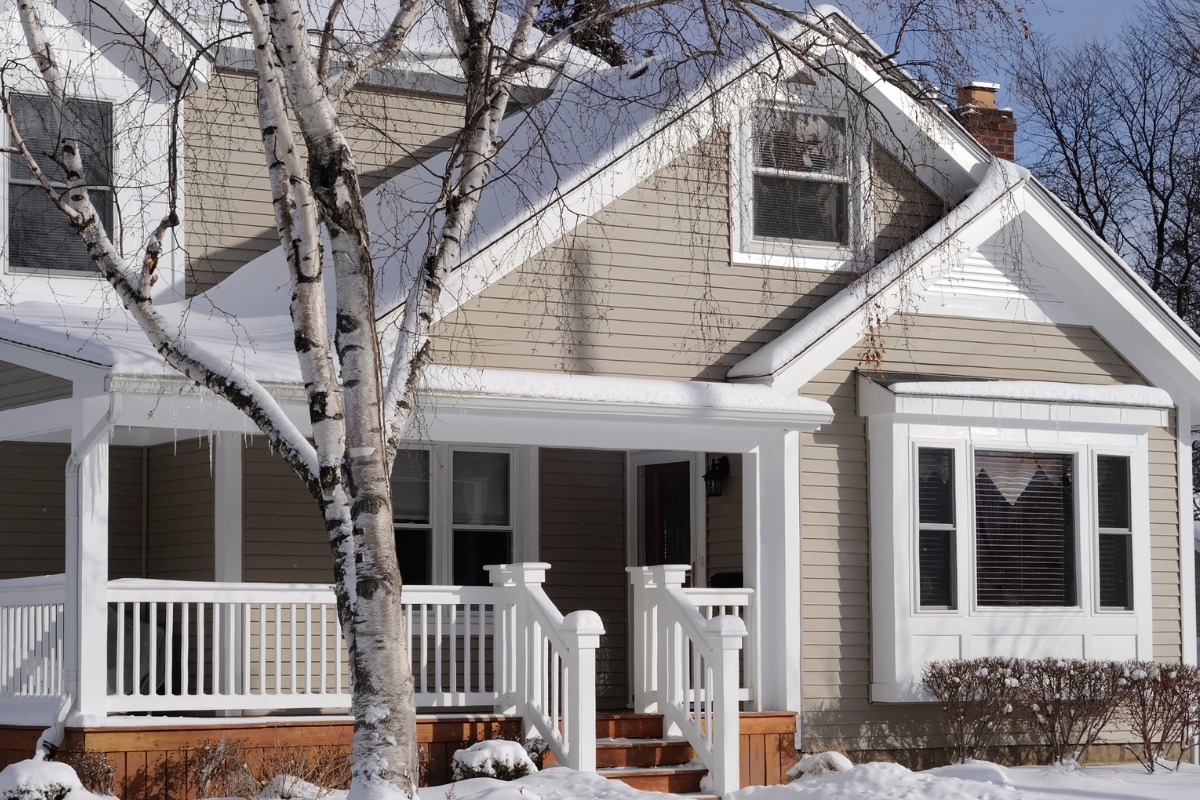
Winter in Colorado Springs brings freezing temperatures, high sun exposure, and rapid thaw–freeze cycles — the perfect recipe for ice dams, one of the most common causes of winter roof leaks. While ice dams may look harmless from the ground, they can cause serious water intrusion, damaged shingles, mold growth, and interior ceiling stains.
Understanding how ice dams form — and how to prevent them — can save Colorado homeowners thousands in repairs. Here’s what you need to know.
What Is an Ice Dam?
An ice dam is a buildup of ice along the edge of your roof, typically above the gutters. It forms when warm air inside your home melts the snow on your roof. That melted water flows down, refreezes at the colder roof edge, and creates a barrier of ice.
Once the ice dam is in place, melting snow has nowhere to drain — so it begins to back up under your shingles, causing leaks and interior damage.
How Ice Dams Form in Colorado Springs
Colorado’s climate creates ideal ice dam conditions due to:
Strong daytime sun melting rooftop snow
Rapid temperature drops after sunset
Heavy snowfalls followed by warm afternoons
Inconsistent attic insulation in older homes
Powerful winter winds creating uneven snow loads
Ice dams are not just a cold-climate problem — they’re extremely common throughout the Front Range.
Signs You Have an Ice Dam
Look for these symptoms around your roof and home:
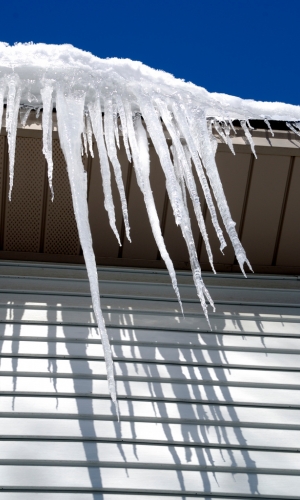
1. Icicles Hanging From Gutters
Large icicles often signal that gutters are full of frozen water and unable to drain properly.
2. Water Stains on Ceilings or Walls
This is a red flag that water is backing up under shingles.
3. Cold Drafts or Hot Spots in Attic
Uneven attic temperatures contribute to ice dam formation.
4. Gutters Pulling Away
Ice adds weight that can bend or loosen gutters, leading to further drainage issues.
If you see any of these signs, it’s time for a professional inspection.
Why Ice Dams Are Dangerous
Ice dams can cause several expensive issues:
Water Damage Inside Your Home
Water that seeps under shingles can enter:
Ceiling drywall
Wall cavities
Insulation
Left untreated, this leads to mold growth and structural damage.
Shingle & Roof Decking Damage
Moisture trapped beneath shingles causes:
Cracking
Curling
Soft spots in decking
Over time, this shortens the lifespan of your roof.
Gutter & Fascia Damage
Ice expansion can bend gutters or detach them completely.
Attic Insulation Ruin
Wet insulation loses effectiveness and encourages mold.
Ice dams are more than cosmetic — they’re a risk to your roof and home health.
How to Prevent Ice Dams on Your Colorado Roof
1. Improve Attic Insulation
The warmer your attic, the more ice dams you’ll have. Adding insulation helps maintain a consistent roof temperature.
2. Increase Attic Ventilation
Ventilation keeps the roof deck cold, reducing melting and refreezing cycles. Ridge vents, soffit vents, and baffles can help.
3. Keep Gutters Clean
Clogged gutters trap water that freezes at the roof edge.
4. Schedule a Professional Roof Inspection
A trained roofer can identify:
Weak insulation points
Heat escape areas
Shingle vulnerabilities
Drainage problems
This proactive approach stops ice dams before they form.
Safe Ice Dam Removal: What You Should and Should NOT Do
❌ DON’T: Try to Break Ice With Tools
Hammers, chisels, or picks can damage shingles and void warranties.
❌ DON’T: Use Rock Salt
This corrodes gutters and harm landscaping.
✔ DO: Call a Professional for Safe Removal
We use controlled steam removal, heated cables, and safe roof-access methods to eliminate ice dams without harming your roofing materials.
How We Help Colorado Springs Homeowners
We offer complete ice dam services, including:
Ice dam removal
Winter roof inspections
Attic insulation and ventilation improvements
Leak repairs
Gutter replacement
Insurance claim assistance for interior damage
Our local team knows how Colorado weather affects your home — and we tailor every solution to withstand Front Range winters.
FAQs About Ice Dam Prevention and Removal
Can ice dams cause roof leaks?
Yes. They often force water under shingles and into your attic or ceiling.
How do I know if an ice dam caused interior damage?
Look for ceiling stains, peeling paint, or damp insulation.
Do I need new insulation to prevent ice dams?
Not always — sometimes improved ventilation is enough.
Will insurance cover ice dam damage?
It depends on the policy and cause of the leak. We can help assess and document the damage.
Conclusion
Ice dams are common in Colorado Springs, but early intervention prevents major damage. If you’ve noticed icicles, interior stains, or uneven heating in your attic, now is the time to schedule a winter roof inspection.